Joe Hannon
I own the P&L for a $60M ARR product line — one of several at Restaurant365 — with six product managers across six engineering teams. Twelve years building the software multi-unit restaurant operators run their business on. I also still ship production code.
Director · Sr Director · VP of Product — vertical B2B SaaS — Austin metro or US-remote — available now
Business outcomes, not feature lists
Most product leaders own a roadmap. I own a number. At Restaurant365 that means deciding how six engineering teams get allocated each quarter against revenue and retention targets — contribution margin, not feature requests — and then living with the result.
Before the P&L I led a nine-PM organization spanning accounting, workforce, and inventory while we moved the platform upmarket into enterprise. Before that I was the PM who rebuilt our operations platform from the ground up. And before that I spent four years implementing back-office systems in actual restaurants, which is still the reason I can tell the difference between what an operator says they want and what they'll use.
What the work actually looked like
I rebuilt the platform every location now runs on
As a PM I rebuilt Smart Ops, our operations platform — re-envisioning a legacy Angular product from the ground up and building the parts that didn't exist yet — and launched it to four beta customers in 2020. It now runs all 40,000 locations using Restaurant365 for operations.
Midway through the beta we had the transaction screens working and nothing tying them together. I pulled franchisee stakeholders from Burger King and other brands into our Austin office for a design sprint, brought a designer and two PMs, and moderated it myself: problem framing to clickable prototype in five hours, tested live that afternoon. That prototype became the home screen, and it's still how those locations navigate the suite.
From two enterprise logos to twenty-six
I owned the product side of our push into enterprise, growing that segment from $75K to $6.5M ARR and from two logos to twenty-six in four years — building it from effectively nothing while running a nine-PM organization across three domains.
Moving upmarket is mostly a series of arguments about which of your assumptions were actually just SMB defaults. Roles and permissions, approval hierarchies, multi-entity accounting, consolidated reporting: each one is fine until the first customer with four hundred locations asks a question your data model can't answer.
It was never a reporting problem
Our actual-versus-theoretical food cost report was the flagship — battle-tested across SMB and mid-market, genuinely good. I assumed it would carry upmarket. It didn't. Nearly every enterprise deal wanted a variant: different columns, different groupings, one wanted the framing inverted entirely. Same data, different worldview.
What I got wrong was the category. I treated it as a backlog of report requests. It was a configurability requirement — enterprise finance teams already have an internal standard and they aren't adopting yours to close a deal. Short term we brute-forced it with per-customer reports behind feature flags: it won deals, and it added permanent maintenance surface with every logo. The real answer isn't more reports, it's pushing configuration to the customer. When you take a proven SMB product upmarket, the thing that breaks first is usually your own opinions, hard-coded.
Twelve years, one industry
Three products live in six months
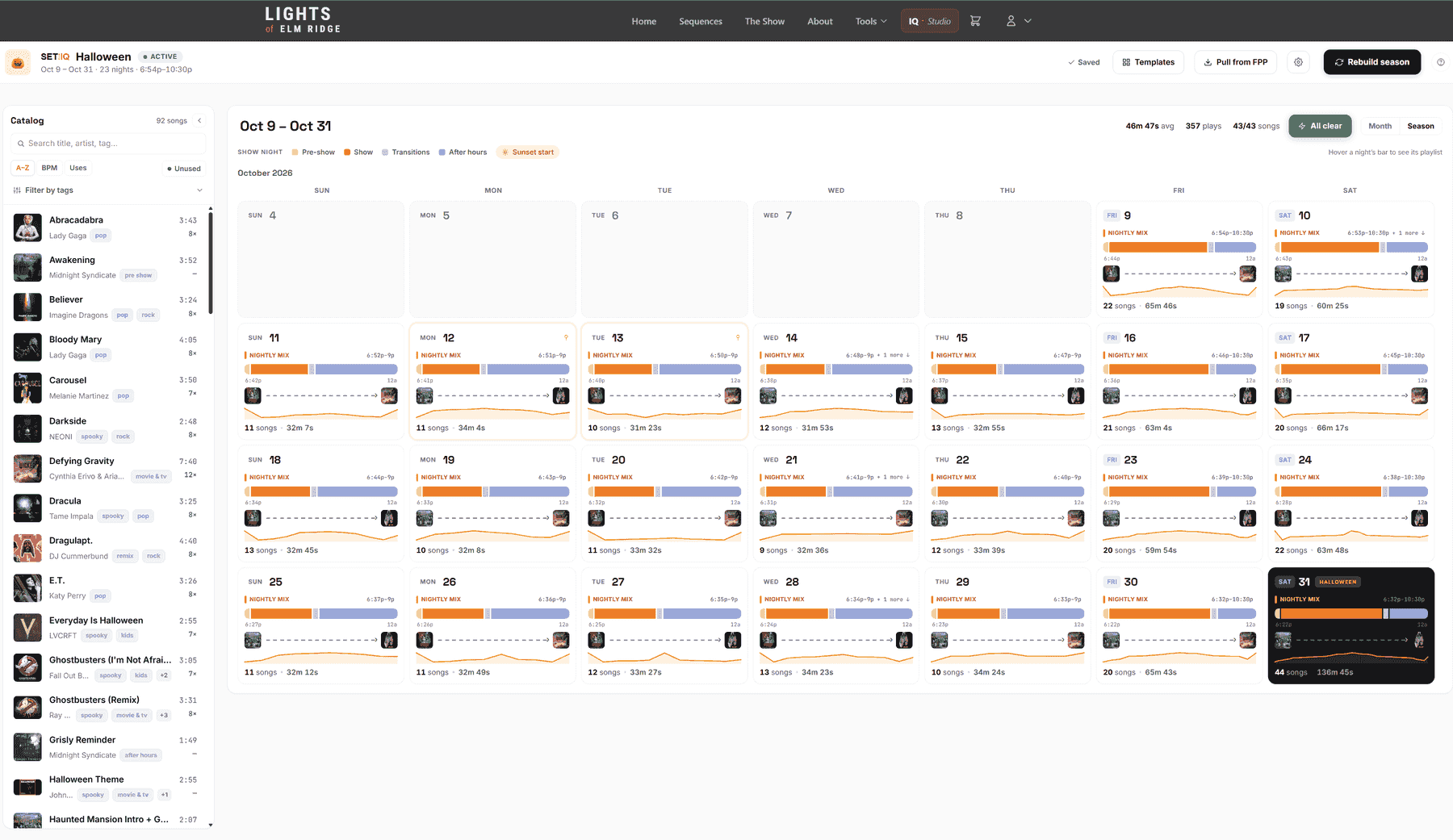
Lights of Elm Ridge is a bootstrapped vertical SaaS business I run alone — product, architecture, pricing, infrastructure, and support. Three products are in production with 250 users and a fourth ships in August. It exists because I don't think you can lead product in 2026 without knowing firsthand what these tools actually cost to deliver.


What I'm looking for
A product leadership role where the scope includes the outcome, not just the roadmap. My last four years have been spent taking vertical software upmarket and running it as a business — I'd like to keep doing exactly that, somewhere it's a growth investment.
Director, Sr Director, or VP of Product. GM roles welcome.
Vertical B2B SaaS. Restaurant, hospitality, retail, or multi-location operations.
Austin metro, or fully remote within the US.
Available now, and happy to talk before you have a req open.